
A lost hard drive can cost more than hardware. It can expose customer files, legal records, or years of internal data.
That is why hard drive shredding matters. On-site shredding destroys drives at your office with a mobile truck. Off-site shredding takes locked media to a secure facility. The better option depends on your security needs, budget, drive volume, and compliance rules.
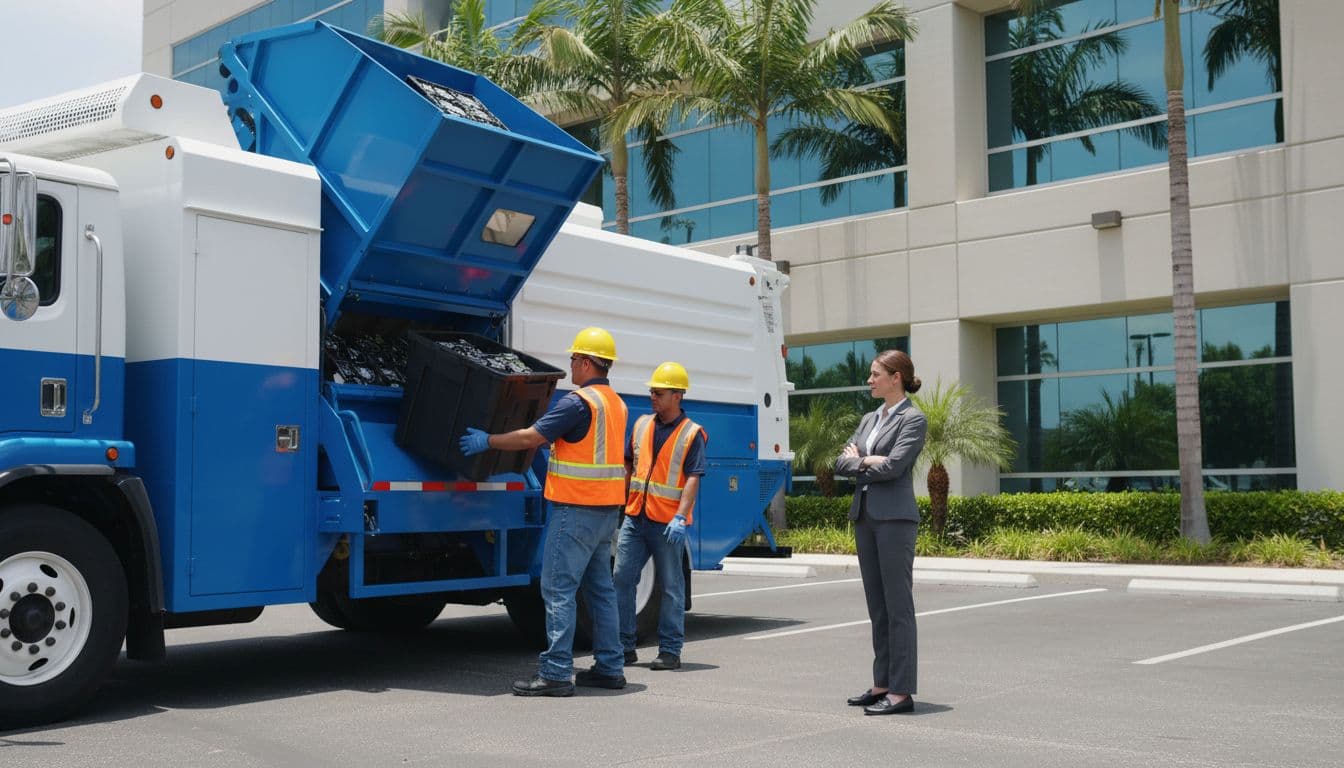
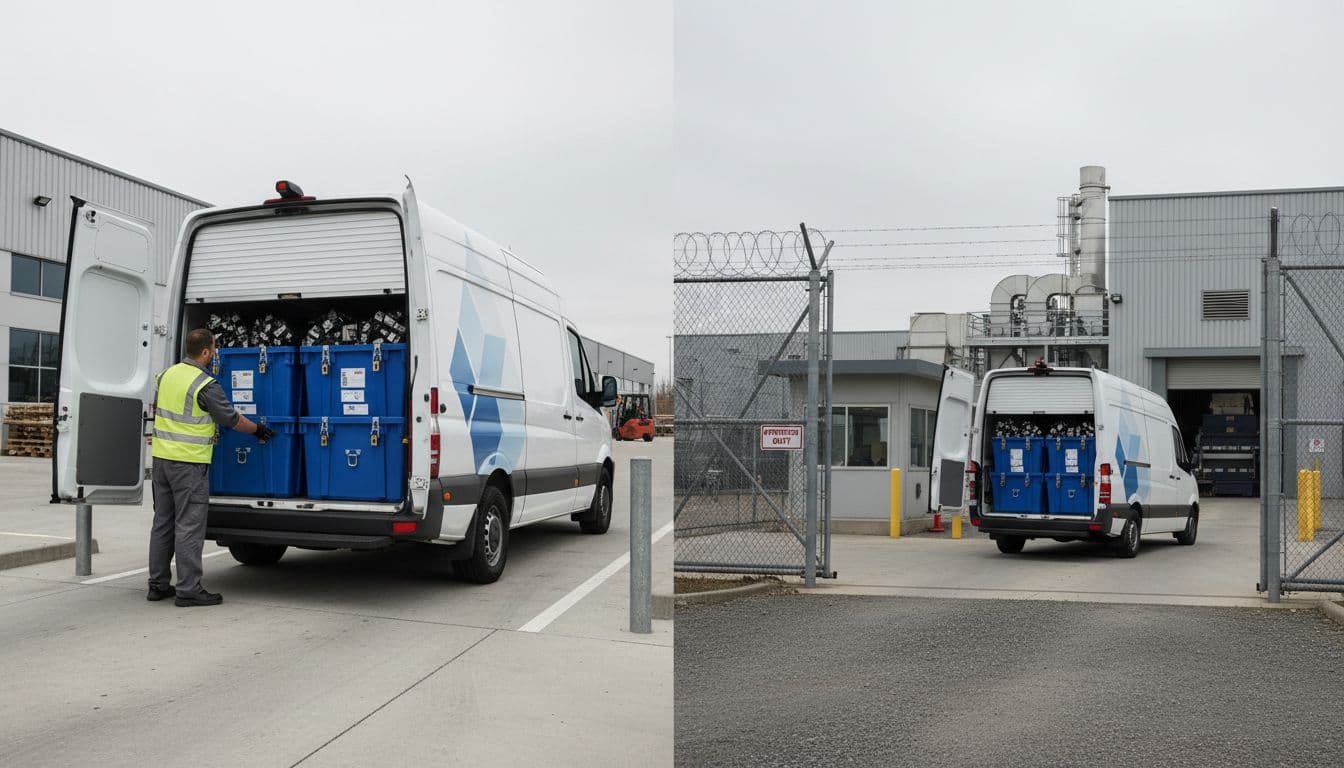
The labels sound simple, but the process is what counts. With on-site service, a truck comes to your location and destroys the drives before they leave your control. With off-site service, the provider collects the drives, secures them in transit, and shreds them at a certified plant.
A crew checks inventory, confirms chain of custody, and moves the drives to the truck. Then your staff can watch the destruction happen. That visibility is the main draw, because the drives never leave intact.
Off-site service starts with locked bins or sealed containers. After pickup, the provider transports the drives to a secure facility for shredding and recycling. You should receive a certificate of destruction, which matters for audits and internal records.
On-site shredding gives you more control and less transport risk. It also helps when staff, clients, or regulators want proof that destruction happened right away. For healthcare, legal, finance, and government teams, that peace of mind often justifies the higher price.
Off-site service is often easier for bulk jobs. It usually costs less, causes less disruption, and handles large cleanouts better. Many businesses also like scheduled pickup, especially when old drives build up over time.
If visibility matters most, on-site usually wins. If volume and price matter more, off-site often makes better sense.
Off-site shredding is often the budget-friendly choice, especially for large batches or recurring pickups. A central facility can process more media at lower cost per drive. On-site usually costs more because you are paying for truck time, travel, labor, and the convenience of immediate destruction.
In 2026, secure destruction means more than shredding alone. You need a clear chain of custody, a certificate of destruction, and a provider with NAID AAA certification. Highly regulated industries may lean toward on-site service, or a tightly controlled off-site process. That also matters for SSDs, which often need strong industrial equipment.
Choose on-site when the drives are highly sensitive, the batch is small, or your team needs to witness destruction. Choose off-site when volume is high, cleanup is routine, or budget matters most. Some businesses use both, keeping high-risk media on-site and sending routine loads off-site.
Both methods can protect your data when a certified provider handles the job well. The better fit comes down to control versus convenience.
Pick on-site for maximum visibility and tighter custody. Pick off-site for lower cost and easier bulk processing. Start with your risk level, then match the service to it.